It’s easy to fixate on the sticker price when planning a deck. If you’re trying to decide between wood and composite, you might get two quotes — one for wood and one for composite — and the lower number might feel like the smart pick. But here’s the thing: The price you pay on day one only tells part of the story.
A deck is a long-term feature of your home. What it costs to maintain, repair, and eventually replace matters just as much as what it costs to build. When you look at the full picture, a TimberTech deck delivers real wood beauty, decades of low-maintenance enjoyment, and an ROI that goes well beyond the upfront cost. Let’s break down what that lifetime value actually looks like.
Understanding the lifetime value of a deck
The lifetime value of a deck is more than materials and labor on installation day. It’s the total cost of ownership: Every dollar and hour you’ll put into the deck over the years you own it.
Total cost of ownership includes:
- Installation: Materials and labor to build the deck
- Maintenance: The recurring time, products, and effort to keep it looking good
- Repairs: Fixing damage like rot, splintering, or warped boards
- Replacement: Installing new boards, or the entire deck, as they wear out
When you add these up across 25, 30 years or more, the seemingly cheaper option often turns out to be the more expensive one. That’s the gap between price and value, and it’s where composite shines.
Evaluating upfront costs vs. long-term savings
So, is a decking material that costs more up front worth it? In most cases, yes, once you factor in long-term savings.
Material costs make up a meaningful share of a deck project, typically around 20% for the decking material and fasteners. From a budget perspective, wood usually appears to win on that initial material line. But wood asks for a lot in return year after year, while composite asks for very little.
Wood: Higher maintenance, lower value
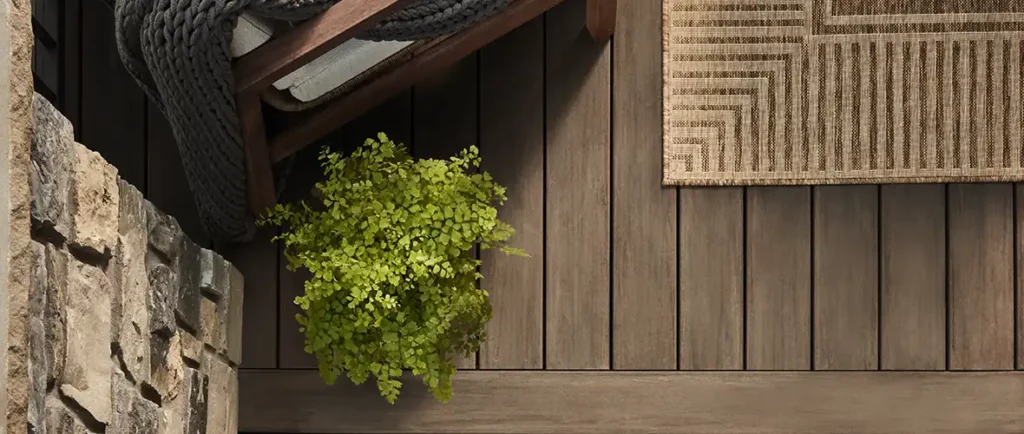
Whether you build with wood or composite, the upfront labor costs are about the same. But a wood deck comes with hidden, long-term expenses that rarely show up in the original quote.
Wood needs regular care to hold up against the elements. That means staining and sealing every one to two years to fight moisture, cracking, cupping, splintering, fading, and rot — and each cycle costs you.
Here’s a side-by-side look at how the major cost factors compare over the life of a deck:
| Cost factor | Pressure-treated wood | TimberTech Composite |
|---|---|---|
| Upfront material cost | Lower | Higher |
| Annual maintenance (staining, sealing) | Required, yearly or every other year | Not needed; just periodic cleaning |
| Maintenance materials & supplies | Stain, sealant, sandpaper, brushes | TimberTech DeckCleaner™ and a brush |
| Repairs over time | Common: Rot, splintering, warping; damaged board replacement | Rare: Resists rot, splintering, and cracking |
| Typical lifespan | 10–15 years | Decades |
| Replacement frequency | More often | Far less often |
If you skip the upkeep on wood, it pays you back with splinters, fading boards, and rot. TimberTech flips that equation. Forget sanding, staining, or sealing. An occasional cleaning is all that’s needed to keep your deck looking great. The protective cap repels moisture and helps preserve the rich color, so your weekends stay yours.
Real wood looks without real wood problems
Wood has an undeniable draw. Its warmth and natural grain are exactly what many homeowners picture for an outdoor space. The catch is that real wood comes with real wood problems: Fading, splintering, rot, and constant upkeep.
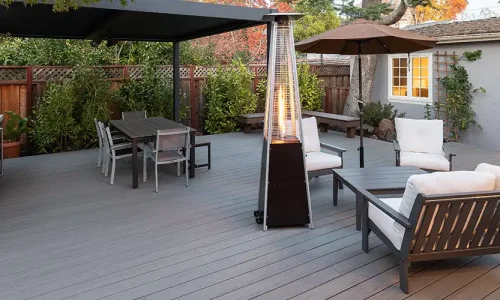
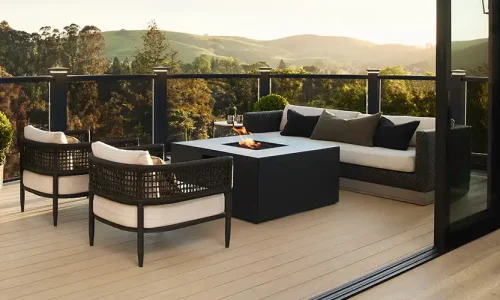
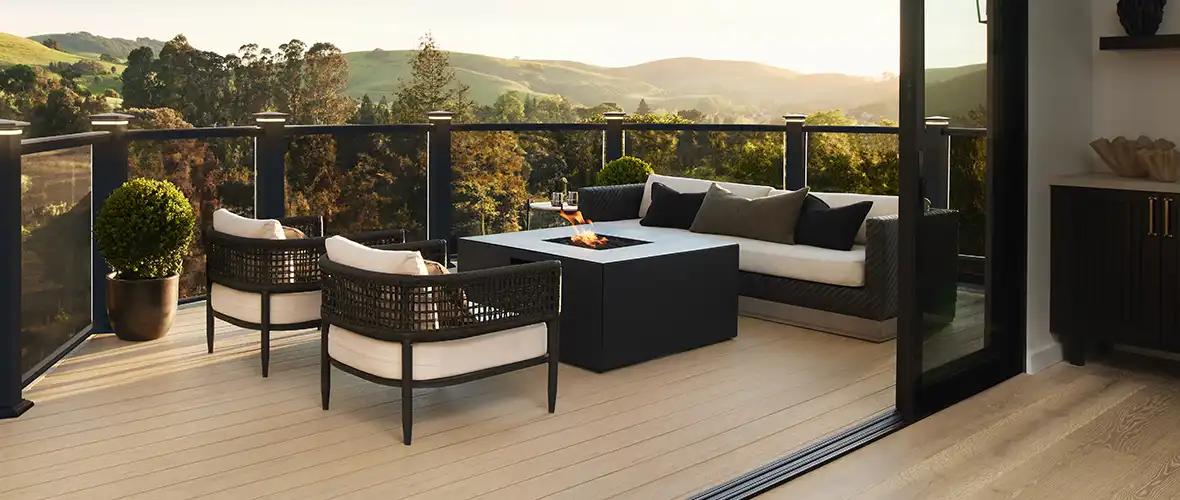
TimberTech gives you that look without all the hassle — with boards designed to resemble popular wood species, delivering natural-looking grain, texture, and color across a wide range of collections and price points. So, you get to have the beauty you want and skip the maintenance you don’t.
Picture the difference five years in. A wood deck may show gray patches and rough spots if you fall behind on care. A TimberTech deck still looks rich and inviting with nothing more than periodic cleaning. That’s real wood beauty without the upkeep.
Boosting your home’s curb appeal and resale value
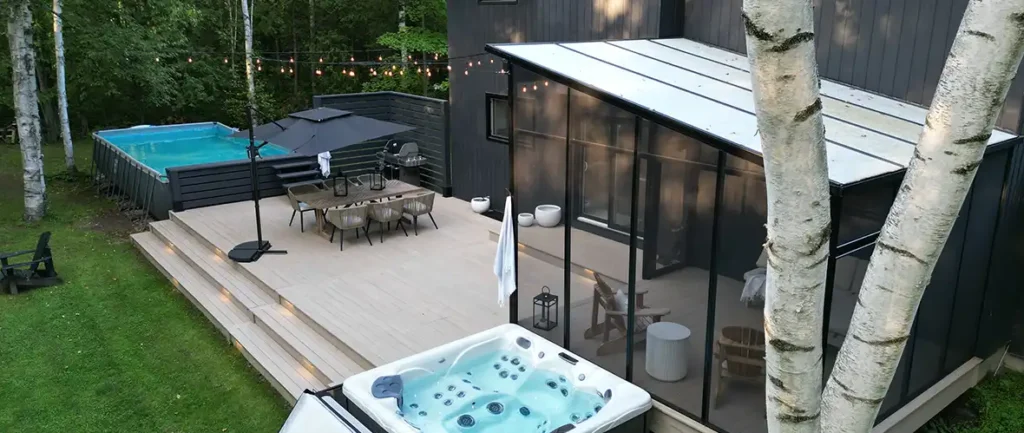
A beautiful, low-maintenance deck is a strong selling point. Buyers love a move-in ready feature they won’t have to refinish or replace anytime soon.
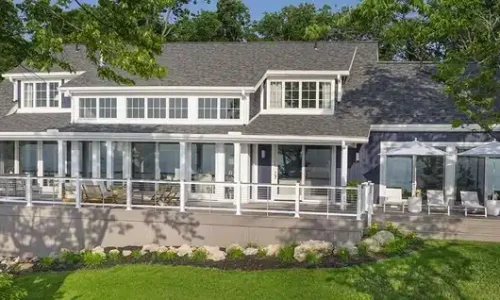
Outdoor living space ranks high on many buyers’ wish lists. A deck that looks fresh and requires almost no work adds to your home’s curb appeal and helps it stand out on the market. That visual first impression can translate into real return on your investment.
For example, a prospective buyer touring two similar homes will notice the difference immediately: One deck weathered and gray, the other fresh looking and ready to use. The low-maintenance option carries instant appeal, and that appeal supports your asking price.
Decking engineered for a lifetime of enjoyment
Durability sits at the heart of lifetime value. The longer your deck lasts, the more enjoyment you get for every dollar you spend.
A pressure-treated wood deck often lasts 10 to 15 years before it needs major repairs or full replacement, and that’s with regular maintenance. TimberTech is engineered to last for decades. Our decking resists fading, staining, cracking, splintering, and rot, so it performs beautifully for decades. The boards are made from a mix of high-performance and recycled materials with a protective polymer cap that resists moisture, mold, and mildew.
That longevity is the whole point. Build once, enjoy for years, and skip the cost and disruption of tearing out and rebuilding.
Industry-leading warranties
Strong warranties back up that long-term promise and protect your investment.
- TimberTech Advanced Polymer Decking: 35- and 50-Year Fade & Stain Limited Warranties plus a Limited Lifetime Product Warranty
- TimberTech Composite Decking: 30- and 25-Year Product and Fade & Stain Limited Warranties that vary by collection
These warranties aren’t just paperwork. They’re a clear signal of how long we expect your deck to look and perform at its best. When a product is built to last decades, the coverage reflects it.
Key takeaways
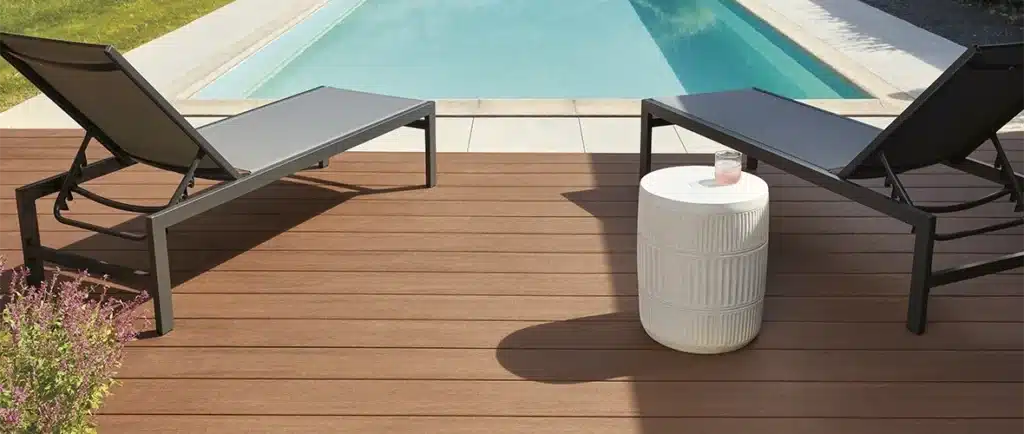
When you weigh a deck by its full lifetime value rather than its sticker price, composite makes a compelling case. Here’s what to remember:
- Look at total cost of ownership — installation, maintenance, repairs, and replacement all factor into what a deck really costs
- Wood’s low upfront price hides ongoing costs in dollars, labor, time, and materials, plus more frequent replacement
- TimberTech delivers real wood looks without the staining, sealing, sanding, or rot
- A low-maintenance deck boosts curb appeal and resale value as a move-in ready selling point
- Durability and industry-leading warranties mean decades of enjoyment and peace of mind
The smart investment isn’t always the cheapest one today. It’s the one that keeps paying you back for years.
FAQ
Yes. While composite usually costs more upfront than wood, it saves you money over time through low maintenance, fewer repairs, and a much longer lifespan. Factor in the boost to curb appeal and resale value, and the lifetime value of a composite deck often makes it the smarter long-term choice.
A TimberTech deck is engineered to last for decades. Our boards resist fading, staining, cracking, splintering, and rot, so they hold up far longer than a typical pressure-treated wood deck, which often needs major repairs or replacement within 10 to 15 years.
A beautiful, low-maintenance deck is a desirable, move-in ready feature that adds to your home’s curb appeal and value. Outdoor living space is high on many buyers’ wish lists, and a deck that looks great with minimal upkeep can help your home stand out and support a stronger asking price.
TimberTech Advanced Polymer Decking is backed by a Limited Lifetime Product Warranty and 35- and 50-Year Fade & Stain Limited Warranties. TimberTech Composite Decking is protected by 30- and 25-Year Product and Fade & Stain Limited Warranties that vary by collection. These warranties reflect how long your deck is built to look and perform at its best.
Yes, wood needs significantly more care. Wood decks typically require staining and sealing every one to two years, along with sanding and cleaning to fight fading, moisture, rot, splitting, cupping, and splintering. That means ongoing costs in products and tools, as well as time and labor. A TimberTech deck only needs an occasional cleaning — no sanding, staining, or sealing required.