Capped composite decking has become a leading choice for homeowners seeking long-lasting, beautiful outdoor spaces with minimal upkeep. A more premium variation of traditional composite decking, capped decking features a fully capped design that enhances durability, resists weather and wear, and offers superior aesthetic appeal — making it a top choice for resilient outdoor decking solutions.
The key to its superior performance lies in its innovative board construction — specifically, the protective “cap” that sets it apart from both wood and first-generation composite decking. Here’s everything you need to know about capped composite decking and why capping matters for your deck.
Why wood won’t cut it
All wood — whether highly sought-after hardwoods like ipe or common pressure-treated lumbers like cedar or pine — are made of organic material. That means they’re made of the literal food that mold and mildew like to eat. And without a protective cap, mold and mildew will get in. The result? The beauty and structural integrity of a deck is compromised.
While the ‘90s first-gen composites were a step in the right direction — better durability than wood with no splintering — they still had issues with fading and moisture damage. Today’s capped composites are a significant improvement.
What is capped composite decking?
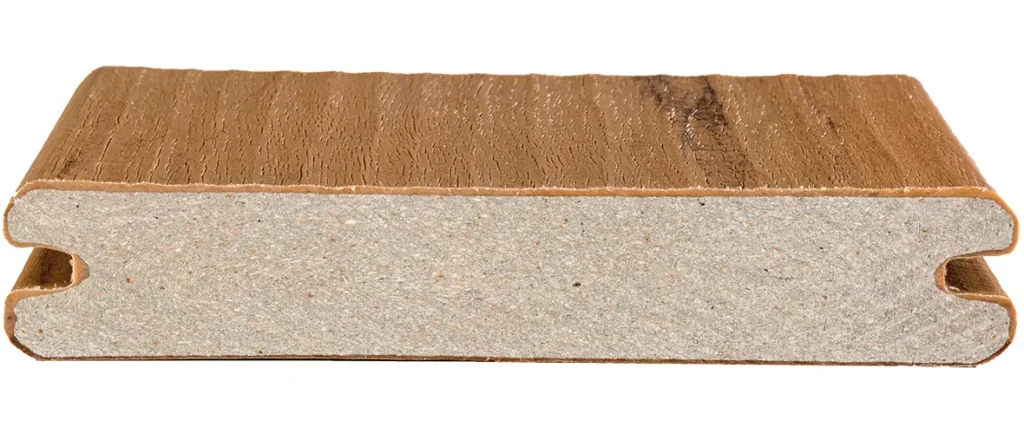
Capped composite decking boards are engineered with a core made from a blend of wood fibers and plastic, wrapped in a robust polymer cap. Depending on the brand and collection, the cap will cover three sides or all four. This outer cap acts as a barrier, shielding the board’s internal materials from moisture, stains, scratches, and the fading effects of harsh sunlight.
The first-generation composite boards were uncapped, which leaves the core exposed to the elements. You can still find uncapped composite, but these budget-priced collections are very limited in colors and styles.
Capped composite decking features a durable exterior shell that acts as a shield, protecting the core from moisture, UV rays, and physical wear. For maximum protection, some capped composite decking boards, like many TimberTech Composite collections, are capped on all four sides, including the underside — ensuring comprehensive defense against environmental damage and helping maintain the board’s appearance over time. This makes capped composite decking highly resistant to splintering, warping, and rotting, even in harsh climates. The cap also helps it retain its vibrant color and durability with minimal upkeep compared to traditional wood.
For your decking project, choosing capped composite provides long-term benefits in both durability and appearance. This cap protects the decking from mold, mildew, fading, and surface wear, contributing to a longer-lasting, lower-maintenance deck.
Key benefits of capped composite decking
Enhanced durability
The capping technology provides excellent resistance to the everyday wear and tear that decks endure. You get a decking surface that resists splitting, cracking, and swelling — common problems with traditional wood — plus protection from discoloration and surface stains that uncapped composites don’t provide.
Fade and stain resistance
Thanks to the polymer cap, capped composite decking maintains its rich color and finish year after year. Spills can be wiped easily, and the cap helps prevent stubborn stains from food, drinks, or the outdoors.
Low maintenance, high performance
Forget about regular sanding, staining, or sealing. Capped composite decking only requires occasional cleaning with soap and water to stay looking its best. The cap’s smooth surface also helps prevent mildew and mold from getting a foothold, reducing long-term maintenance.
Environmental benefits
Depending on the brand, some capped composite brands can stand out as a sustainable choice for environmentally conscious homeowners. The core of some capped composite deck boards, like TimberTech, is crafted from a blend of wood fibers and both virgin and recycled plastics — giving new life to materials that might otherwise end up in landfills. By incorporating these recycled materials, capped composite decking reduces the demand for virgin wood, which can help preserve natural forests and minimize the environmental impact associated with traditional wood decking.
The manufacturing process for capped composite decking is designed to be efficient and eco-friendly. The protective cap not only enhances the durability of the boards but also extends the lifespan of your deck, meaning fewer replacements and less material waste over time. This long-lasting performance translates into a reduced environmental footprint, as homeowners can enjoy their outdoor living space for decades without the need for frequent repairs or replacements.
Real-world performance
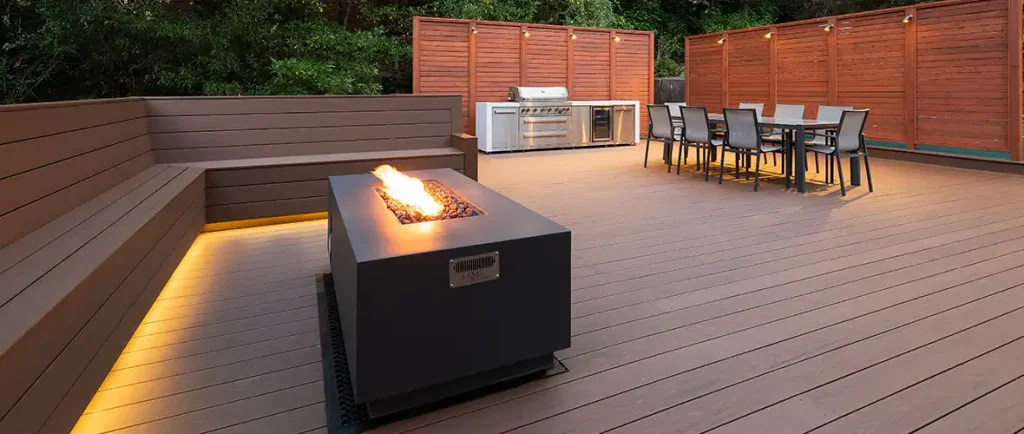
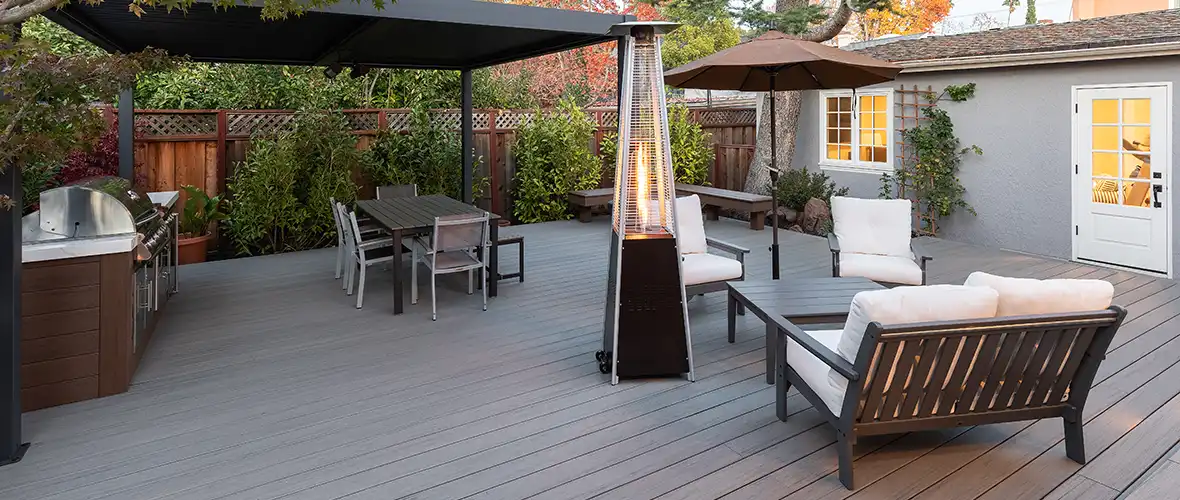
With so many options to choose from, capped composite decking makes it easy to envision outdoor living spaces that are both functional and stunning. Whether you’re aiming for a look that’s classic, rustic, or modern, the versatility of capped composite deck boards ensures you can create an outdoor space that’s uniquely yours.
Many homeowners report that capped composite decking retains its color and stays looking new for years, even in challenging weather conditions — and all provide robust construction that makes them a reliable choice for families.
TimberTech capping technology
While we make the core of our capped composite deck boards from a mix of post-consumer plastics and recycled lumber, the cap is made from a high-performance proprietary polymer blend — and zero organic material. This helps protect the boards against invasion by moisture, the fading effects of UV rays, and other factors that contribute to erosion. TimberTech capped composite decking innovates far beyond first-generation composite deck boards — and delivers benefits wood just can’t compete with.
Compare Decking
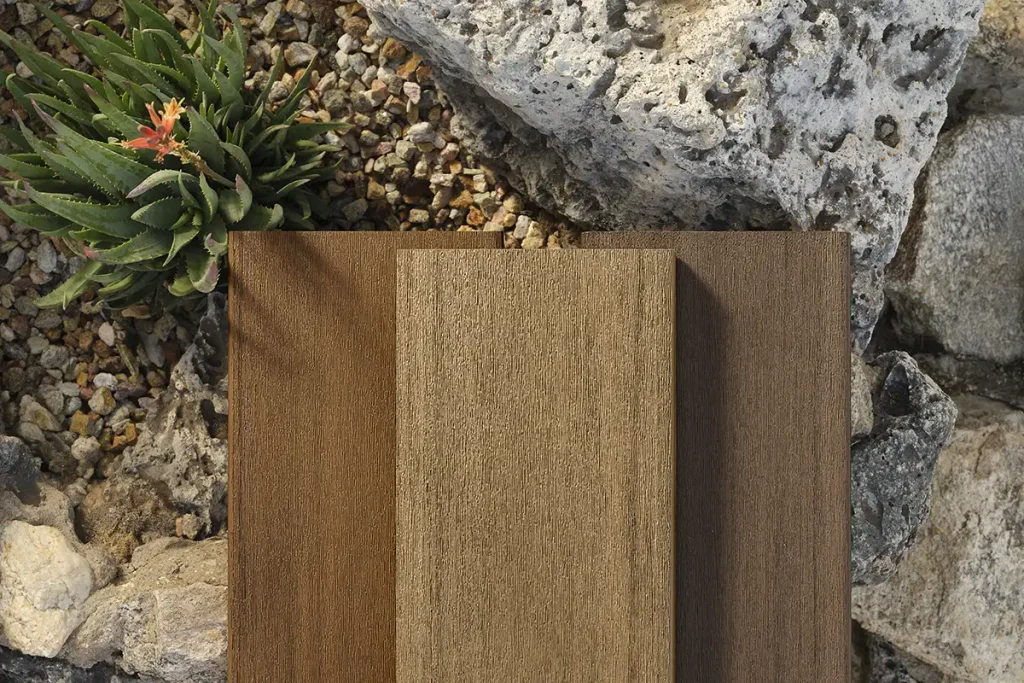
Compare colors, finishes, and materials, and see the real wood aesthetics of TimberTech Decking in your outdoor space.
FAQ
The cap on composite decking is usually made from a durable polymer shell with no organic material that wraps around the board. This outer layer helps protect the deck from moisture, stains, fading, and everyday wear.
In most products, the core is made from a blend of recycled wood fibers and plastic, while the cap adds a cleaner finish and a more realistic wood look. That added protection is one reason capped composite is a popular low-maintenance choice.
Capped composite decking is designed to look like real wood, but it needs much less upkeep. Unlike wood, it does not need regular sanding, staining, or sealing to keep its finish in good shape — and that can save you money over time.
It also resists moisture, fading, and splintering better than many traditional wood decks. For homeowners and contractors who want a wood-inspired look with easier long-term care, capped composite is often a practical option.
You can clean capped composite decking with soap, warm water, and a soft-bristle brush or cloth. For most dirt, pollen, and everyday spills, a simple wash is all it takes.
For tougher messes, check the manufacturer’s care guide be fore using any deck cleaner. Regular cleaning helps keep the surface looking its best and supports the long life that capped composite is known for.
Yes, capped composite boards can usually be cut and installed with standard woodworking tools. Most contractors use common saws, drills, and fastening systems made for decking.
It is still important to follow the installation instructions for spacing, fasteners, and support structure. That helps the boards perform well and keeps the finished deck looking clean and consistent.
The cheapest capped composite decking is usually an entry-level or basic collection with fewer color choices. Pricing can vary based on board size, cap coverage, local supply, and warranty level.
Keep in mind that the lowest upfront cost is not always the best long-term value. It helps to compare appearance, maintenance needs, and durability so you choose a board that fits both your budget and your lifestyle.